
This year, college sports are making a change to uniform rules. The NCAA DI Cabinet approved commercial patches for uniforms, equipment and apparel. This means that schools can now create additional revenue through advertisements on jerseys.
Since this ruling went through, teams across the country have inked deals to help generate additional revenue. Most recently, Ohio State got together with JPMorgan Chase for a deal that will reportedly pay over $15 million annually, which includes NIL opportunities.
While the Buckeyes’ deal is believed to be the largest to date and the figure may not be the same, there’s no reason for Tennessee not to follow suit. In this era of college sports, you need to take advantage of any chance to create additional revenue for your programs. Adding a jersey patch seems to be an easy way to do so.
Ohio State’s deal with JPMorgan Chase includes NIL opportunities and is believed to be the largest jersey patch deal to date worth over $15 million annually. https://t.co/rm0BJhQdDp
Advertisement— Pete Nakos (@PeteNakos) July 28, 2026
More From RTI: Tennessee Football Announces Four Sellouts, Limited Tickets Remain for Three Other Games
The most obvious choice for Tennessee if it did so would be Pilot. The company already has a big hand in UT Athletics, including significant signage in Neyland Stadium. Another option could be Food City, which now has the naming rights to Thompson-Boling Arena.
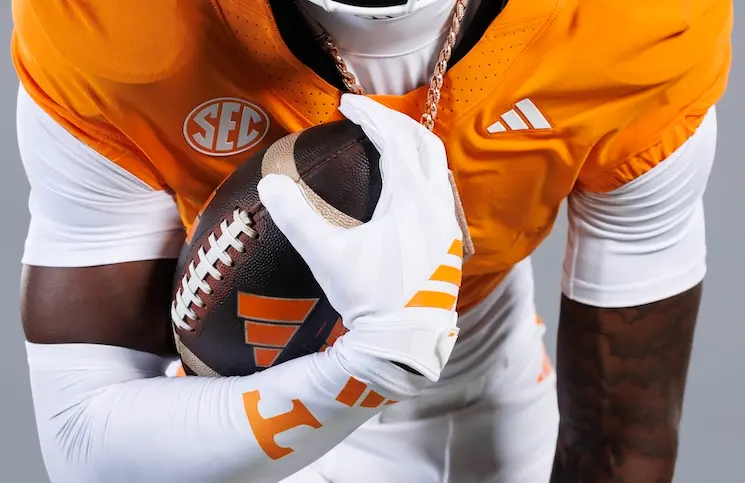
The primary complaint I think fans would have about a patch is that it could mess up Tennessee’s clean look on uniforms. If a potential sponsor had clashing colors with UT’s, then I’d agree. However, if a company is willing to use an all-white logo, then it’d probably go unnoticed enough that it wouldn’t ruin any aesthetic or classic feel to the uniforms.
It would be a bit surprising if Tennessee never made the move to a sponsorship patch. However, time is running out to capitalize on this football season with the schedule starting in just over a month. I think it’d be a misstep not to take advantage sooner rather than later.